Acalypha wilkesiana, Copperleaf - Plant
Low Maintenance Plants

SKU DRT-315448
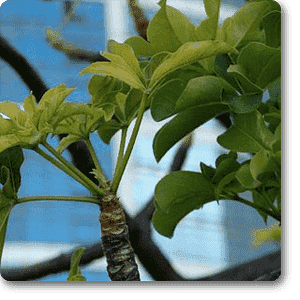
The Dead-rat plant has been known in India for many centuries and is one of the most amazing trees. The Dead-rat tree, botanical name is Adansonia digitata but it is also known in English language as African baobab,…
The Dead-rat plant has been known in India for many centuries and is one of the most amazing trees.
The Dead-rat tree, botanical name is Adansonia digitata but it is also known in English language as African baobab, Baobab of Mahajanga (Madagascar), Cream-tartar tree, and Dead-rat tree. The baobab tree is regarded as being the largest tree in Africa and the largest succulent plant in the world, it is leafless for nine months of the year. Adansonia digitata (baobab) is the most widespread of the Adansonia species, and is native to the African continent. The long-lived pachycauls are typically found in dry, hot savannahs of sub-Saharan Africa, where they dominate the landscape, and reveal the presence of a watercourse from afar. Their growth rate is determined by ground water or rainfall,and their maximum age, which is subject to much conjecture, seems to be in the order of 1,500 years. They have traditionally been valued as sources of food, water, health remedies or places of shelter and are steeped in legend and superstition. Explorers of old were inclined to carve their names on baobabs, and many are defaced by modern graffiti. Common names for the baobab include dead-rat tree (from the appearance of the fruit), monkey-bread tree (the soft, dry fruit is edible), upside-down tree (the sparse branches resemble roots) and cream of tartar tree (cream of tartar).
*above specification are indicative only. actual dimensions may vary by +-10%
Dead Rat Tree special featureThe flowers open only at night.
Dead-rat plants are strikingly beautiful as dominant, attention grabbing specimens
Not for the small garden!
The Dead-rat plants bark, leaves, fruit, and trunk are all used
The bark of the baobab is used for clothing, fodder and rope, the leaves for condiments and medicines
The fruit, called "Monkey bread", is eaten
Sometimes people live inside of the huge trunks
Prices depend on quantity and delivery location. Add plants to your quote list and send it to us; we will reply with prices and availability. Prefer to talk? Call +91 912 177 3777.
Low Maintenance Plants
Low Maintenance Plants
Low Maintenance Plants
Low Maintenance Plants