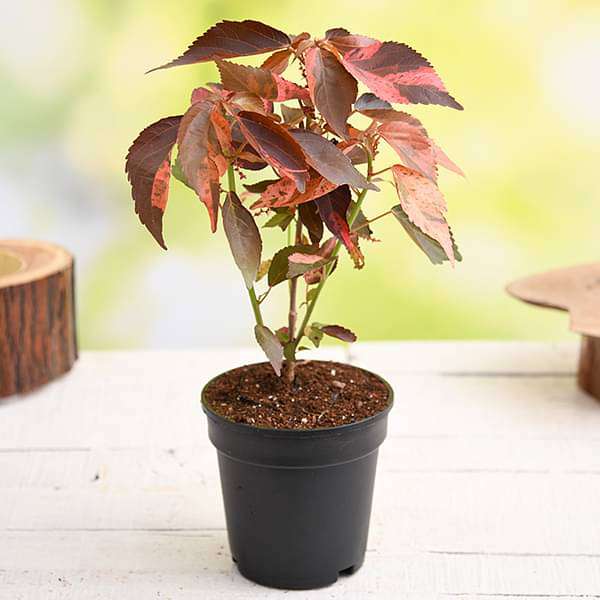
Acalypha wilkesiana, Copperleaf - Plant
Low Maintenance Plants

SKU CLK-248616
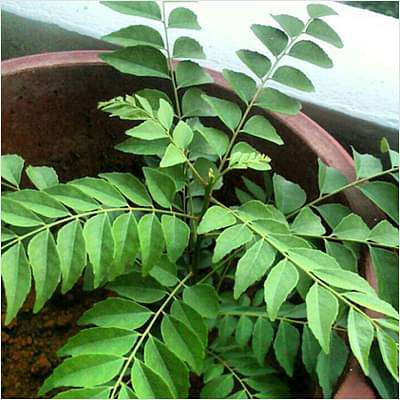
Murraya koenigii is a most attractive, small evergreen tree with wonderfully sweet, curry-pungent foliage. Murraya koenigii well known for their aromatic and distinctive flavour and medicinal properties.
Murraya koenigii is a most attractive, small evergreen tree with wonderfully sweet, curry-pungent foliage. Murraya koenigii well known for their aromatic and distinctive flavour and medicinal properties.
What makes it special:
One of the most popular houseplant.
Highly valuable traditional medicinal plant.
Very low maintenance plant.
Can be grown in the pot.
The Curry plant is native to the Indian subcontinent, and can be found growing wild throughout the country and temperate climates and has compound leaves areas where it can grow up to 5 - 6 meters high. Its green elongated leaves are glossy, aromatic and beautiful. The plant produces white fragrant flowers (terminal cymes) which can self-pollinate to produce small shiny-black drupes containing a single, large viable seed, the leaves are highly aromatic when rubbed or bruised. They are best used fresh in cooking (dried leaves may be used but have significantly diminished flavor).
*above specification are indicative only. actual dimensions may vary by +-10%
SunlightKeep the plant outdoor with bright natural light. Initially (Seedling stage) protect the curry plant from direct harsh sunlight as it can cause damage to the foliage. SoilThe soil should be well drained and fertile for growing Curry plant. WateringWater the plant when the topsoil (1-2 inch) in pot feels dry to touch. Do not overwater the plant. Water thoroughly in the summer and reduce watering in winter and rainy season. Application of FertilizerDuring the main growing season feed the curry plant with organic fertilizer once a month. Loosen the topsoil without disturbing the roots of the plant so it can uptake the nutrients and moisture easily. Re-pottingWhen a plant outgrows in current pot, re-pot with fresh potting soil and some fertilizer. Do the re-potting late evening and keep the plant in shady area for 2 to 3 days and then move the plant in its suitable climatic condition. For re-potting procedure click here
Plant ProtectionRemove dead, infected or damaged plant parts and discard them away from the plants. For any insect attack or disease, you can use Neem oil, Eucalyptus oil or Citrus oil spray for primary treatment.
Donts Do not overwater the plant especially when pot does not have drainage holes. Curry Leaves careInitial care for 1-2 weeks after receiving plant at your location:Check the moisture in the soil before watering it. Poke your finger into the soil, if dry then apply water. Keep the plant in Natural direct or indirect bright Light. Do not re-pot for min. 2 weeks after receiving it.
Key requirements to keep plant healthy:
Curry Leaves special featureInteresting house plant, the leaflets of which can be snipped for cooking.
Ornamental Use:
The plant is used for ornamental purpose
Medicinal Use:
Curry leaves are said to have alkaloids that help heal wounds that are not too deep
Curry leaves help increase digestive secretions
The extract from the curry leaves have an active constituent which is anti-diabetic
Curry leaves have properties that can help in lowering ones blood cholesterol levels
Note: The following information is general guidelines
Be sure to ask your healthcare provider for guidelines
Prices depend on quantity and delivery location. Add plants to your quote list and send it to us; we will reply with prices and availability. Prefer to talk? Call +91 912 177 3777.
Low Maintenance Plants
Low Maintenance Plants
Low Maintenance Plants
Low Maintenance Plants