Acacia Auriculiformis, Australian Babul - Plant
Avenue Trees

SKU STS-858936
Shorea robusta is a deciduous tree associated with the religious value of people. Shorea robusta belongs to the Dipterocarpaceae family. Sal is one of the most important sources of hardwood timber in India, with hard,…
Shorea robusta is a deciduous tree associated with the religious value of people.
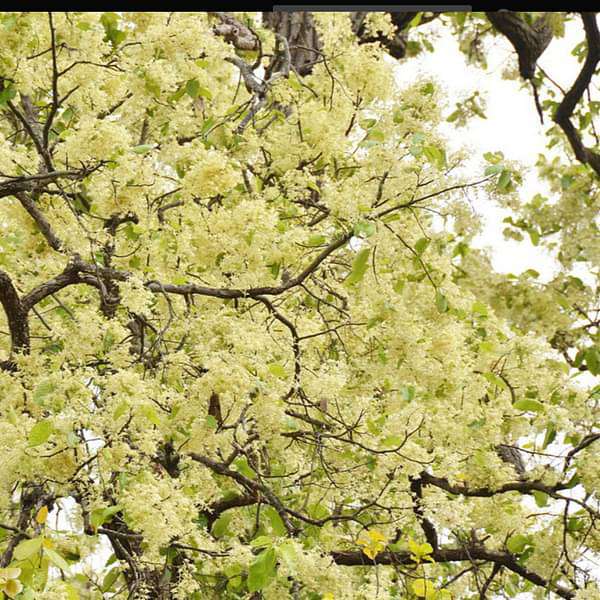
Shorea robusta belongs to the Dipterocarpaceae family. Sal is one of the most important sources of hardwood timber in India, with hard, coarse-grained wood that is light in color when freshly cut and becoming dark brown with exposure. Shorea robusta belongs to the Dipterocarpaceae family. The crown is spreading and spherical. The bark is dark brown and thick, with longitudinal fissures deep in poles, becoming shallow in mature trees, and provides effective fire protection. The sal flowers, whitish in color, appear in early summer. These are borne in raceme-like panicles in leaf axils, covered with white pubescence.
*above specification are indicative only. actual dimensions may vary by +-10%
It cannot grow in shade. It requires sunlight. It requires moist soil but avoid overflowing of water.
In wetter areas, it is evergreen; in drier areas, it is dry-season deciduous, shedding most of the leaves in between February to April.
It require well-drained, fertile soils, though it prefers a moist sandy loam with good subsoil drainage. It dos not tolerate water-logging.
Sal tree special feature
Sal tree resin, á¹›la in Sanskrit, is used as an astringent in Ayurvedic medicine. It is also burned as incense in Hindu ceremonies, and sal seeds and fruit are a source of lamp oil and vegetable fat.
Shorea robusta seed oil is extracted from the seeds and used as cooking oil after refining. Some cultures in Bengal worship Sarna Burhi, a goddess associated with sacred groves of Sal trees.
Ornamental Use:
The plant is used for ornamental purpose
Medicinal Use:
Shorea robusta (Sal), an important traditional Indian medicinal plant used in various ailments and rituals and the indigenous use of the resin of this plant as a medicament for treatment of various inflammatory conditions is well documented in literature
Culinary Use:
The seeds are a source of sal butter, an oil that is used in cooking like ghee and as a substitute for cocoa butter in making chocolate
Fruits are also eaten occasionally
Prices depend on quantity and delivery location. Add plants to your quote list and send it to us; we will reply with prices and availability. Prefer to talk? Call +91 912 177 3777.
Avenue Trees
Avenue Trees
Avenue Trees