Brahmi, Gotu Kola, Centella asiatica - Plant
Herb Plants

SKU KTP-429528
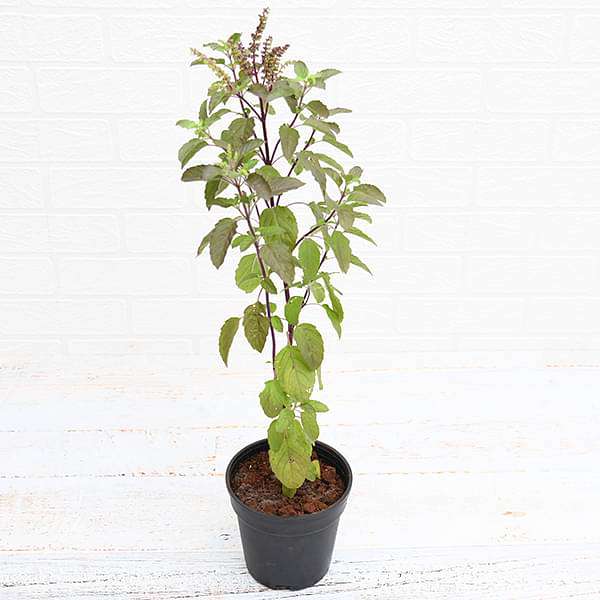
krishna tulsi is part of routine worship and has a scientific background as the plants possess antimicrobial and antiviral properties and purify the air.
krishna tulsi is part of routine worship and has a scientific background as the plants possess antimicrobial and antiviral properties and purify the air.
Have a traditional value.
krishna tulsi have medicinal property.
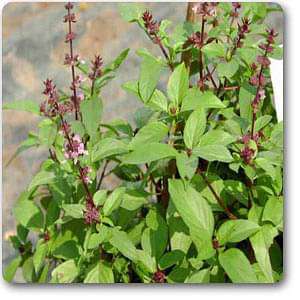
Atractive purple colour flowers.
krushna tulsi purify the air.
Krishna tulsi belongs to the Lamiaceae family. Krishna Tulsi has traditional as well as medicinal importance. Krishna tulsi tastes good and provides gentle stimulation to body, mind and spirit. Krishna tulsi is Purple leaf tulsi and is famous for its peppery, sharp, crisp taste. Its leaves and dark stems are dark in purple color. Tulsi flowers are small having purple to reddish color, present in small compact clusters on cylindrical spikes.
*above specification are indicative only. actual dimensions may vary by +-10%
SunlightKeep the plant outdoor in natural bright light. Protect the plant from direct harsh sunlight as it can cause damage to the foliage. SoilThe soil should be well drained and fertile rich in oragnic content. WateringPoke your finger/plain small stick into the soil to check the moisture. Water when top soil (1-2 inches) feels dry to touch. Water thoroughly in the summer and reduce watering in winter and rainy season. Application of FertilizerDuring the main growing season feed the plant with organic fertilizer once a month. Loosen the topsoil without disturbing the roots of the plant so it can uptake the nutrients and moisture easily. Re-pottingWhen a plant outgrows in current pot, re-pot with fresh potting soil and some fertilizer. Do the re-potting late evening and keep the plant in shady area for 2 to 3 days and then move the plant in its suitable climatic condition. For re-potting procedure click here
Plant ProtectionRemove dead, infected or damaged plant parts and dispose them away from the planting area. Spray Neem, Eucalyptus or Citrus oil for any insect/pest attack, as a primary treatment.
DontsEasily grows in AC rooms but away from AC vents. Do not over-water the plant especially when pot does not have drainage holes. Krishna Tulsi Plant careInitial care for 1-2 weeks after receiving plant at your location:Keep the plant in natural indirect bright Light. Poke your finger/plain small stick into the soil to check the moisture. Water when top soil (1-2 inches) feels dry to touch. Do not re-pot for min. 2 weeks after receiving it.
Key requirements to keep plant healthy:
Krishna Tulsi is used in treating low energy, ulcers, vomiting and diarrhea or as an overall tonic
The powder of the dried Krishna Tulsi root, taken in milk, ghee or as a decoction, is recommended to treat malarial fever as an analgesic application to the bites and string of insects
The herb improves resistance to stress and has a normalizing influence on blood pressure and blood sugar imbalances
Tulsi is likely to prove prophylactic against the negative effects of environmental toxins, including cancer
The plant is also richly endowed with bioavailable antioxidants, vitamins A and C and calcium
It has marked insecticidal activity against mosquitoes
Tulsi leaves contain a bright yellow volatile oil which is useful against insects and bacterial
The principal constituents of this oil are eugenol, eugenol methyl ether and carvacrol
The oil is reported to possess antibacterial properties and acts as an insecticide
Note: The following information is general guidelines, be sure to ask your healthcare provider for guidelines
Krishna tulsi fresh leaves Add to salads, fruit dishes, jellies, preserves and sweetbreads
Krishna tulsi uses in Thai cooking in stir-fries with hot peppers, chicken, pork and beef
The dried leaves are an ingredient of Ethiopian spice mixtures
Prices depend on quantity and delivery location. Add plants to your quote list and send it to us; we will reply with prices and availability. Prefer to talk? Call +91 912 177 3777.
Herb Plants
Herb Plants
Herb Plants