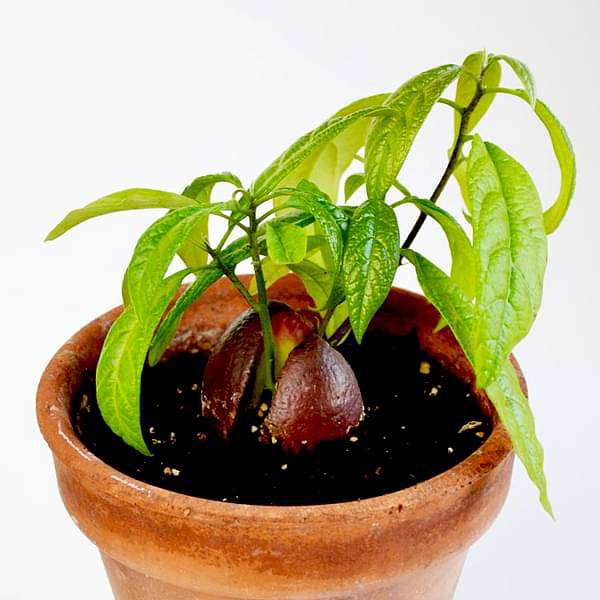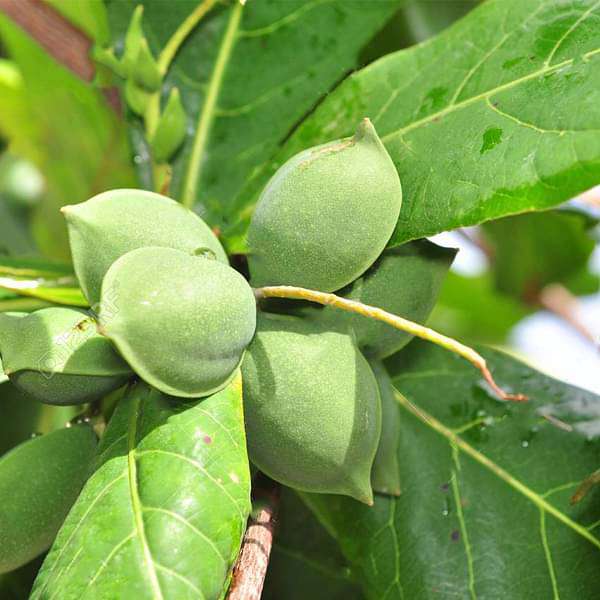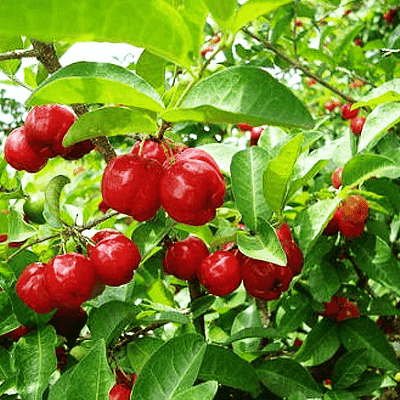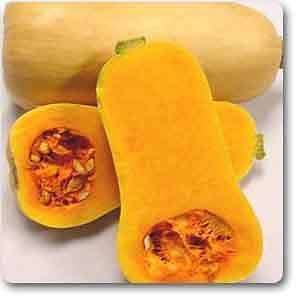
Butternut - Plant
SKU BP-839428
Butternut squash plants are a type of winter squash. Unlike its fellow summer squashes, it is eaten after it reaches the mature fruit stage when the rind has become thick and hardened. Butternut squash, also known in…
Description
Butternut squash plants are a type of winter squash. Unlike its fellow summer squashes, it is eaten after it reaches the mature fruit stage when the rind has become thick and hardened.
Butternut squash, also known in Australia and New Zealand as butternut pumpkin or gramma, is a type of winter squash. It has a sweet, nutty taste similar to that of a pumpkin. Its a great source of complex carbohydrates and fiber as well as high in potassium, niacin, beta carotene and iron. It stores well without refrigeration or canning and each vine will yield from 10 to 20 squash if properly maintained.
Plant Specifications
*above specification are indicative only. actual dimensions may vary by +-10%
- Common Name: Cucurbita moschata,butternut pumpkin ,gramma
- Maximum Reachable Height: 40.00 to 60.00 feet
- Flower Colour: green
- Bloom Time: May to June
- Difficulty Level: easy to grow
Planting and care
Plant in a location that enjoys full sun and remember to water moderately. Keep in mind when planting that Waltham butternut is thought of as tender, so it is imperative to wait until temperatures are mild before planting out of doors. Use USDA Hardiness Zone 3 - 12 as your guideline for the appropriate climate for this plant. Butternut careThe butternut squash growing season begins when all danger of frost is past and the soil is well warmed by the sun, about 60 to 65 F. (15-18 C.) at a 4-inch depth. Butternut squash plants are extremely tender and the seedlings will freeze with the slightest frost and seeds will only germinate in warm soil.
- Sunlight: Full sun
- Watering: Medium
- Soil: well-drained soil
- Temperature: 40F
- Fertilizer: Apply any organic fertilizer
Butternut special featureButternut is of interest to native plant enthusiasts and for those who wish to harvest the nuts.
Butternut uses
Ornamental Use:
Preparing and Eating Decorative Squash and Pumpkins
Culinary Use:
One of the most common ways to prepare butternut squash is roasting
To do this, the squash is cut in half lengthwise (see pictures), lightly brushed with cooking oil or put in a thin layer of water and placed cut side down on a baking sheet
It is then baked for 45 minutes or until soft
Once roasted, it can be eaten in a variety of waysThe fruit is prepared by removing the skin, stalk, and seeds, which are not usually eaten or cooked
However, the seeds are edible, either raw or roasted, and the skin is also edible and softens when roasted
Pricing & delivery
Prices depend on quantity and delivery location. Add plants to your quote list and send it to us; we will reply with prices and availability. Prefer to talk? Call +91 912 177 3777.