hot
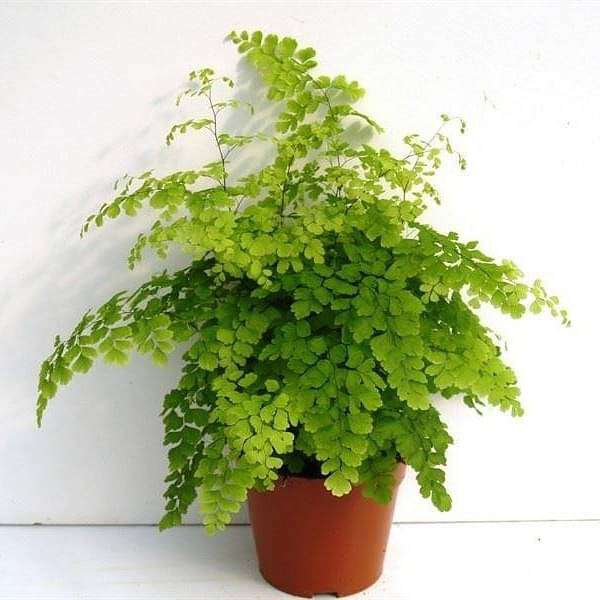
Adiantum Raddianum, Maidenhair Fern - Plant
Indoor Plants

SKU AEE-457721
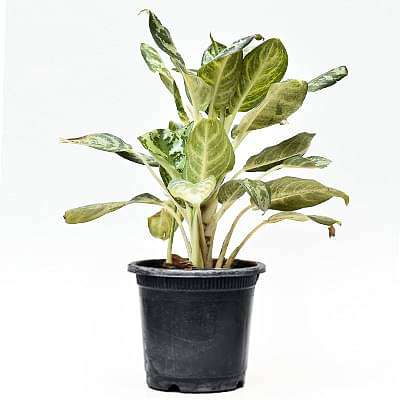
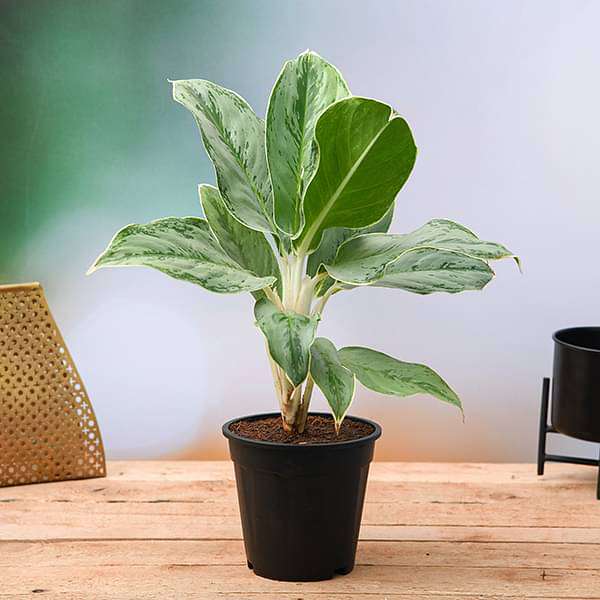
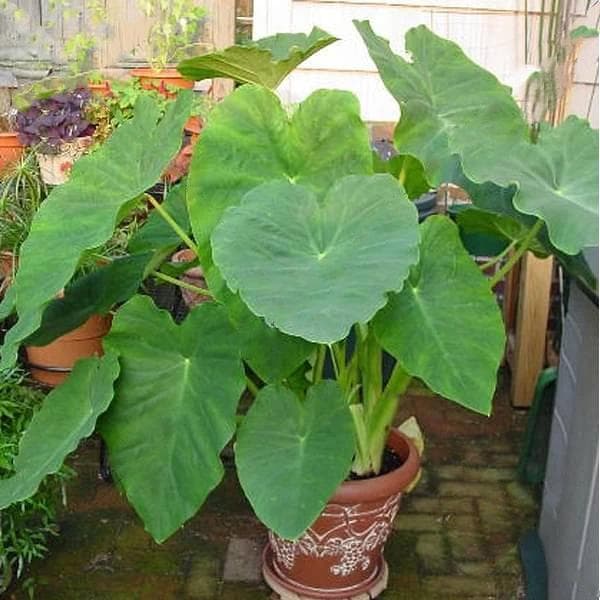
The elephant s ear is a hybrid that has become a fairly popular ornamental house plant.
The elephant s ear is a hybrid that has become a fairly popular ornamental house plant.
Elephant ear plants (Alocasia spp.) received their common name because their leaves look like green renditions of elephants ears. The plants can be kept indoors as house plants or grown outdoors. The Elephant Ear plant is a Herbaceous Perennial, meaning that they grow from non-woody stems and will re-bloom each year. Elephant Ear plants are actually part of the Caladium familyThe elephant s ear is a hybrid that has become a fairly popular ornamental house plant and is one of the easiest to find and buy from the Alocasia genus. Different shades of green and yellow appear through the leaves when sun light hits the leaves which is an attractive sight.
*above specification are indicative only. actual dimensions may vary by +-10%
If elephant ear plants are starving for sunlight, their growth becomes stunted and their leaves may turn a bit pale or yellow. If that happens to container-grown elephant ears, move them to a better lit area. Too much sunlight, on the other hand, can burn the plants leaves. Adjust your garden accordingly, either by moving the elephant ears or providing them some shade from a tree or other structure. Alocasia carePlant in locations protected from strong winds after last frost date. Rhizomes/tuberous roots may be started indoors in pots or containers. After last frost date, pots may be sunk to the rim in the garden and containers may be set out on the patio. Water and fertilize regularly.
Reduce watering in winter. Return to the garden in spring. Rhizomatous varieties are best left in pots year-round. Tuberous varieties may be planted directly in the garden in late spring. After first fall frost, dig and lift tubers, shake off loose soil, dry and store in cool, dry location for winter. May be grown as a house plant.
These are tropical plants of the Arum family that are treasured for their decorative (and in some cases enormous) leaves
Closely related to Colocasia (taro), the plants of this genus feature heart to arrowhead-shaped leaves (12-36" long), each singly atop long and stout succulent stems
It containsSrItem name1Alocasia, Elephant Ear (Green) - Plant26 inch (15 cm) Grower Round Plastic Pot (Black)
Prices depend on quantity and delivery location. Add plants to your quote list and send it to us; we will reply with prices and availability. Prefer to talk? Call +91 912 177 3777.
Indoor Plants
Indoor Plants
Indoor Plants
Indoor Plants