Abelia - Plant
Monsoon Plants

SKU ATI-418190
Improve immunity of your all family member by growing a nutritious and vitamin rich an amazing Amla plant. Amla is a small to the medium-sized deciduous tree, which is known for its edible fruit of the same name. The…
Improve immunity of your all family member by growing a nutritious and vitamin rich an amazing Amla plant.
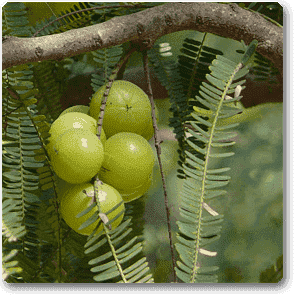
Amla is a small to the medium-sized deciduous tree, which is known for its edible fruit of the same name. The tree has a crooked trunk and spreading branches. The leaves are simple, nearly stalkless and closely set along slender branchlets. The leaves are often mistaken for leaflets of pinnate leaves. Amla flowers are small, greenish-yellow or pinkish. The flowers have six segments, but no real petals. The fruit is nearly spherical, light greenish yellow, quite smooth and hard on appearance, with 6 vertical stripes or furrows. Ripening in autumn, the berries are harvested by hand after climbing to upper branches bearing the fruits.
*above specification are indicative only. actual dimensions may vary by +-10%
SunlightKeep the plant outdoor in natural bright light. Protect the plant from direct harsh sunlight as it can cause damage to the foliage. SoilThe soil should be well drained and fertile rich in oragnic content. WateringPoke your finger/plain small stick into the soil to check the moisture. Water when top soil (1-2 inches) feels dry to touch. Water thoroughly in the summer and reduce watering in winter and rainy season. Application of FertilizerDuring the main growing season feed the plant with organic fertilizer once a month. Loosen the topsoil without disturbing the roots of the plant so it can uptake the nutrients and moisture easily. Re-pottingWhen a plant outgrows in current pot, re-pot with fresh potting soil and some fertilizer. Do the re-potting late evening and keep the plant in shady area for 2 to 3 days and then move the plant in its suitable climatic condition. For re-potting procedure click here
Plant ProtectionRemove dead, infected or damaged plant parts and dispose them away from the planting area. Spray Neem, Eucalyptus or Citrus oil for any insect/pest attack, as a primary treatment.
DontsDo not over-water the plant especially when pot does not have drainage holes. Amla Tree careKeep the plant in natural indirect bright Light. Poke your finger/plain small stick into the soil to check the moisture. Water when top soil (1-2inches) feels dry to touch. Do not re-pot for min. 2 weeks after receiving it.
Watering
Before water poke your finger/plain small stick into the soil to check the moisture.
Water when top soil (1-2 inches) feels dry to touch.
Water thoroughly in the summer and reduce watering in winter and rainy season.
Soil
The soil should be well drained and fertile, rich in organic content for growing plant.
Grow well in pH range of 5.5 to 7.5
Used in many ayurvedic and pharmaceutical preparations
It has several medicinal properties such as antiviral, anticancer, antidiabetic, antibacterial and anti-inflammatory properties
Note- Please consults your health advisor before application or consuming of plants or plant parts
Amla is used in sauces, candy, dried chips, pickle, jellies and powder
Note- Please consults your health advisor before application or consuming of plants or plant parts
Prices depend on quantity and delivery location. Add plants to your quote list and send it to us; we will reply with prices and availability. Prefer to talk? Call +91 912 177 3777.
Monsoon Plants
Monsoon Plants
Monsoon Plants